What Are the Latest Bathroom Renovation Ideas?

Time:2026-10-15 Author:Oliver
0%

If you are asking, “what are the latest bathroom renovation ideas,” the answer is more practical than glamorous. Current designs combine calm, efficient storage, water-saving fixtures, and durable surfaces. A bathroom should look beautiful at 7 p.m., but it must also work at 7 a.m.

Many homeowners are choosing walk-in showers with frameless glass, concealed drains, and slip-resistant porcelain tiles. Warm wood tones, brushed nickel, and soft green or clay-colored walls are replacing overly polished white rooms. Floating vanities can make a narrow bathroom feel larger. Deep drawers also keep toiletries away from the sink. That small change matters.

Technology is becoming quieter and more useful. Heated floors, fog-free mirrors, dimmable lighting, and touchless faucets can improve everyday comfort. Smart toilets are gaining attention, although their installation and maintenance costs may not suit every household. Water-efficient showerheads and dual-flush toilets support responsible renovation without sacrificing performance. Check local plumbing requirements before choosing unfamiliar products.

Accessibility is also influencing modern layouts. Curbless showers, handheld sprayers, grab-bar reinforcement, and wider clearances can support changing needs. These details should be planned before walls are closed. A qualified contractor can confirm drainage slopes, ventilation capacity, waterproofing layers, and electrical safety. Product claims should be checked through reliable manufacturer information and independent testing where available.

Not every trend deserves a place. A dramatic stone basin may photograph well but create difficult cleaning problems. I have found that the best renovation balances appearance, maintenance, budget, and long-term use. Measurements can be imperfect. Plans sometimes change. This guide explores current bathroom ideas while keeping real homes, real costs, and real daily routines in view.
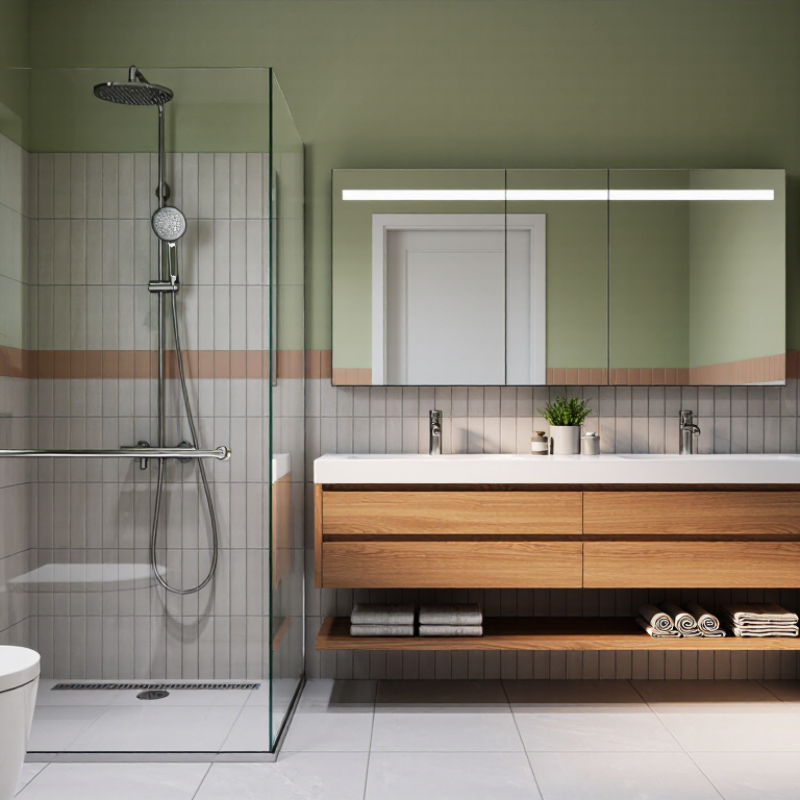
What Are the Latest Bathroom Renovation Ideas?

Defining the Latest Trends in Bathroom Renovation

What Are the Latest Bathroom Renovation Ideas?

Defining the Latest Trends in Bathroom Renovation

The latest bathroom trend is not simply a brighter tile or a larger mirror. It is a calmer, more practical space designed around daily routines. Walk-in showers, concealed storage, and wall-mounted fixtures create cleaner sightlines and easier cleaning. Large-format porcelain surfaces can reduce grout lines, but they require accurate installation. Small mistakes show quickly.

Warm, natural finishes are also gaining attention. Wood-effect cabinetry, soft stone colors, and brushed metal details make bathrooms feel less clinical. Matte surfaces hide fingerprints better than glossy ones, although they may need more careful cleaning.

Layered lighting is essential. Use ceiling lighting for general visibility, task lighting near the mirror, and low-level lighting for nighttime movement.

Comfort and long-term access now influence many renovation decisions. Wider entrances, non-slip flooring, handheld shower fittings, and reinforced walls can support future needs without making the room look institutional. Ventilation deserves equal attention. A beautiful bathroom can still fail if moisture damages the ceiling or cabinetry. Choose durable materials, seal joints properly, and confirm that the extractor moves enough air for the room.

Trends change. Good planning lasts.

Planning a Modern Bathroom Layout and Function

Planning a modern bathroom layout starts with movement, not decoration. Measure the room carefully, including door swings, window openings, and pipe locations. Keep at least 30 inches of clear floor space in front of the toilet and shower where local standards allow. A wall-mounted vanity can create a lighter feel and make cleaning easier. However, it may provide less storage than expected.

Place the shower near existing plumbing when possible. This often reduces construction changes and unexpected costs. Use a fixed glass panel only if it protects nearby surfaces from spray. I once admired a minimal open shower, but daily water splashes changed my opinion. A recessed shelf can hold soap without narrowing the floor area. Add layered lighting, with bright task lighting near the mirror and softer light for evening use.

Ventilation deserves serious planning. Moisture can damage paint, timber, grout, and concealed framing over time. Choose an exhaust system suited to the room size, and confirm its installation with a qualified professional. Waterproofing should follow local building requirements, especially around shower walls and floors. A heated floor feels luxurious, but it may not fit every budget or electrical plan. Recheck every measurement before ordering fixtures. Small errors can force awkward gaps, blocked cabinets, or expensive revisions.

What Are the Latest Bathroom Renovation Ideas? — Planning a Modern Bathroom Layout and Function
Planning Dimension Recommended Data or Range Modern Renovation Idea Functional Benefit Planning Notes
Main Walkway At least 760 mm clear width Use a simple open circulation path between the entrance, vanity, toilet and shower. Improves movement and reduces conflicts between bathroom users. A wider passage is preferable where the bathroom is shared or accessibility is a priority.
Toilet Clearance 760 mm minimum overall width; 530 mm clear space in front Place the toilet where it is not the first feature visible from the doorway, when the room allows. Provides more comfortable use and creates a cleaner visual layout. Local building and accessibility regulations may require greater clearances.
Vanity Height About 810–915 mm to the countertop Choose a wall-mounted vanity with drawers and an integrated or easy-clean basin. Creates useful storage while making floor cleaning easier. Select the height according to the users’ comfort and the basin design.
Double Vanity About 1,520–1,830 mm wide Use two sinks only when the room has enough floor area for comfortable circulation. Allows two people to use the bathroom at the same time. A single wide basin can provide more continuous counter space in a compact room.
Shower Size 900 × 900 mm is a practical minimum target Install a low-threshold shower with a clear glass screen and a linear floor drain. Creates a more open appearance and reduces trip hazards. Confirm waterproofing, drainage slope and local requirements before construction.
Walk-In Shower Approximately 1,200 mm or more in length is more comfortable Use a fixed glass panel instead of a hinged door where splash control permits. Improves access and makes the room feel larger. The shower head should be positioned to limit water spray toward the entrance.
Freestanding Bath Allow at least 750 mm clear space along the usable side Use a freestanding bath as a focal point only when it does not reduce essential circulation. Adds visual impact while maintaining practical access for cleaning. A built-in bath can be more space-efficient in smaller bathrooms.
Storage Capacity Prioritize 300–450 mm deep drawers or cabinets Combine mirrored medicine storage, vanity drawers and a tall recessed cabinet. Keeps daily products off the counter and reduces visual clutter. Store frequently used items between waist and eye level for easier access.
Recessed Niches Plan shelving around 100–150 mm deep Build a tiled niche into the shower wall for bottles and accessories. Provides storage without reducing shower floor area. Coordinate niche placement with wall framing, plumbing and waterproofing details.
Lighting Layers Use ambient, task and accent lighting Combine ceiling lighting with vertical lights beside the mirror and soft under-vanity lighting. Reduces facial shadows and supports grooming, cleaning and nighttime use. Use fixtures rated for the appropriate wet or damp location.
Mirror Planning Place the mirror with its center near average eye level Use a wide mirrored cabinet or a full-width mirror above the vanity. Improves storage and can make a compact bathroom appear more spacious. Leave enough clearance for taps, splash zones and cabinet doors.
Ventilation Use an exhaust fan sized to the room; many residential guidelines use about 8 air changes per hour for bathrooms Connect the exhaust to the exterior and operate it during bathing and afterward. Helps control moisture, odors and condensation. Follow local mechanical codes and use a timer or humidity-sensing control where suitable.
Water Efficiency Common efficient targets: toilet about 4.8 L per flush; shower about 7.6 L per minute or less Select efficient fixtures without sacrificing the required flow or flushing performance. Reduces water consumption and ongoing utility costs. Verify performance ratings and local water-efficiency requirements before purchase.
Slip Resistance Choose flooring tested for wet-area use Use smaller-format, textured or matte tiles in areas exposed to standing water. Improves traction and can make floor slopes easier to form. Tile size, surface texture, grout maintenance and installation quality all affect performance.
Universal Design Provide a step-free shower and reinforce walls for future grab bars Plan a comfortable bathroom that can adapt to changing mobility needs. Improves long-term usability for children, older adults and guests. Confirm grab-bar positions and structural support with the applicable accessibility standards.
Electrical Safety Use ground-fault protection and maintain required wet-zone clearances Place outlets outside splash-prone areas and provide dedicated power where needed. Reduces electrical risk in a high-moisture environment. Electrical work should comply with local codes and be completed by a qualified professional.
Material Durability Use moisture-resistant, non-porous or properly sealed surfaces Combine porcelain or ceramic wall finishes with sealed natural materials used selectively. Supports easier cleaning and longer service life. Use compatible adhesives, grout and sealants throughout wet areas.
Layout Sequence Plan plumbing, ventilation, electrical and waterproofing before finishes Finalize the fixture layout digitally or on paper before demolition. Reduces costly changes and helps coordinate every trade. Confirm door swings, access panels, pipe routes and finished wall thicknesses.

Choosing Innovative Materials, Fixtures, and Finishes

What Are the Latest Bathroom Renovation Ideas?

Choosing Innovative Materials, Fixtures, and Finishes

On recent bathroom projects, I have seen recycled glass panels and large-format porcelain change small spaces dramatically. Fewer grout lines create a calmer, cleaner surface. They also reduce areas where moisture and dirt can collect. However, large panels need accurate walls and experienced installation. A small error becomes surprisingly visible.

Microcement offers a soft, continuous finish across walls, floors, and shower niches. It feels modern without looking overly polished. Always confirm its waterproofing system, slip resistance, and maintenance requirements. It is not simply paint for a bathroom. I once underestimated preparation time, and the final texture looked uneven near the drain. That mistake still influences my specifications.

Wall-mounted toilets, slimline basins, and concealed shower controls improve circulation in compact rooms. A thermostatic valve can maintain steadier water temperature, especially in busy households. Choose solid, moisture-resistant hardware with accessible service panels. Fixtures should feel comfortable, not merely fashionable. Brushed metal can hide fingerprints better than highly polished surfaces, though its finish may vary under different lighting. Warm layered lighting also matters: recessed ceiling lights, mirror illumination, and a low-level night light create more useful zones. I prefer testing samples beside the window and under artificial light. Finishes often look different than expected.

Integrating Smart Technology and Sustainable Features

What Are the Latest Bathroom Renovation Ideas?

Smart technology now supports comfort, safety, and water control. Motion sensors can switch on low-energy lighting near the vanity. Humidity sensors can start ventilation after a hot shower. Leak detectors under the sink provide early warnings. A digital shower controller can limit temperature and running time, helping households avoid waste. However, I would not automate every function. Sensors can fail, and complicated controls may frustrate older users. Simple backup switches still matter.

Sustainable fixtures should be selected through measured performance, not attractive claims. The U.S. Environmental Protection Agency’s WaterSense program reports that certified products use at least 20% less water while maintaining performance. A WaterSense faucet can use no more than 1.5 gallons per minute. That detail matters during daily handwashing. The U.S. Department of Energy states that LED lighting uses up to 75% less energy than incandescent lighting and can last 25 times longer. Warm LED strips under a floating cabinet can improve nighttime visibility without illuminating the entire room.

Materials also deserve scrutiny. Recycled glass, responsibly sourced timber, and long-lasting porcelain can reduce replacement cycles. Yet “eco-friendly” labels are not always transparent. Ask for recycled content, durability testing, and cleaning requirements. A poorly ventilated bathroom can damage even sustainable materials. Practical design still needs a quiet exhaust fan, sealed joints, and accessible service panels. Small changes matter.

Balancing Style, Comfort, Safety, and Renovation Costs

Latest bathroom renovation ideas are moving beyond decoration. Homeowners now want calm spaces that feel safe, comfortable, and financially sensible. Warm wall tones, textured tiles, floating vanities, and layered lighting can create a refined look without excessive structural work. A curbless shower improves access, but it may require costly floor adjustments and careful waterproofing.

Houzz’s 2024 U.S. Bathroom Trends Study reported a median spend of about $35,000 for major bathroom renovations and $15,000 for minor upgrades. These figures show why design choices need financial discipline. Keep plumbing locations unchanged where possible. Choose durable, slip-resistant flooring. Install grab-bar blocking before closing the walls. Add bright task lighting near the mirror, plus softer ambient lighting for comfort. Small details matter.

Tips: Request at least three written quotes. Separate essential repairs from visual upgrades. Use a contingency fund of 10–20% for hidden moisture or framing damage. The National Kitchen & Bath Association’s recent design research continues to highlight aging-in-place features, improved lighting, and wellness-focused bathrooms. Yet not every trend deserves a place in your home. I would question expensive smart controls if they add maintenance without real comfort. A beautiful bathroom can still feel cold, slippery, or difficult to clean. Good planning accepts that compromise.

FAQS

How can smart technology improve a bathroom?

Motion sensors can activate low-energy lights near the vanity. Humidity sensors can start ventilation after a hot shower. Leak detectors under the sink provide early warnings. I would not automate everything. Simple backup switches remain useful.

Can smart bathroom controls reduce water waste?

Digital shower controls can limit temperature and running time. Water-saving faucets may use no more than 1.5 gallons per minute. These small limits matter during daily handwashing. Technology helps, but habits still matter.

What lighting works well in a renovated bathroom?

Layered lighting combines bright mirror lighting with softer ambient light. Warm LED strips under a floating cabinet improve nighttime visibility. LEDs can use much less energy than older bulbs. Keep one simple switch available.

Which materials suit a sustainable bathroom?

Recycled glass, responsibly sourced timber, and durable porcelain are practical options. Ask about recycled content and durability testing. Check cleaning requirements too. Labels can be vague.

How can a bathroom become safer and easier to access?

A curbless shower improves access but may require floor changes and careful waterproofing. Use slip-resistant flooring. Add blocking for future grab bars before closing the walls. Safety should not depend on appearance alone.

How much can a bathroom renovation cost?

Major renovations may cost around $35,000, while minor upgrades may cost about $15,000. Actual costs vary by location, materials, and hidden damage. Request at least three written quotes. Keep a 10–20% contingency fund.

How can renovation costs be controlled?

Keep plumbing locations unchanged when possible. Separate essential repairs from visual upgrades. Fix moisture problems before choosing decorative finishes. A cheaper plan may feel less impressive, but it can remain practical.

Are the newest bathroom trends always worth using?

No. Expensive smart controls may add maintenance without improving comfort. Warm wall tones, textured tiles, and floating vanities can create a calmer space. I sometimes overvalue appearance. A beautiful bathroom can still feel cold, slippery, or hard to clean.

Conclusion

What are the latest bathroom renovation ideas? Today’s most practical trends focus on creating spaces that feel modern, comfortable, and personalized while remaining easy to maintain. A successful renovation begins with a thoughtful layout that improves movement, storage, lighting, and everyday functionality. Clean lines, calming colors, natural textures, and space-saving solutions can make both small and large bathrooms feel more open and inviting. Durable materials, water-resistant surfaces, efficient fixtures, and carefully selected finishes also help combine visual appeal with long-term performance.

Modern bathrooms can further benefit from smart technology and sustainable features, such as adjustable lighting, touch-free controls, water-saving fixtures, improved ventilation, and energy-efficient heating. Safety should remain a priority through slip-resistant flooring, well-positioned grab supports, and adequate illumination. By balancing style, comfort, accessibility, environmental responsibility, and renovation costs, homeowners can create a bathroom that meets current needs while retaining lasting value and flexibility.

Oliver

Oliver

Oliver is a seasoned marketing professional with a wealth of expertise in driving brand awareness and engagement. With a deep understanding of our company's product offerings, he consistently delivers high-quality content that enriches our professional blog. His insights not only shed light on......